 +91 81792 07525
Blog
Understanding the psychological triggers that influence gambling behavior in casinos

Understanding the psychological triggers that influence gambling behavior in casinos
The Thrill of Uncertainty
The excitement of gambling often stems from the thrill of uncertainty. Players are drawn to the unknown outcomes of games, where every spin of a slot machine or flip of a card can lead to a different result. This unpredictability triggers the brain’s reward system, releasing dopamine, a neurotransmitter associated with pleasure and reinforcement. Each small win or near-miss can create an exhilarating experience, encouraging players to continue gambling in hopes of larger rewards. For instance, visiting morospinau.online offers various options that exemplify this dynamic.

Moreover, the concept of intermittent reinforcement plays a crucial role in maintaining this excitement. Unlike predictable rewards, such as a fixed paycheck, the random nature of winnings keeps players engaged. When gamblers experience a win after a series of losses, the emotional high can reinforce their behavior, leading them back to the gaming tables. This psychological aspect is vital in understanding why many players find it difficult to walk away from a game even after substantial losses.
This state of heightened anticipation can lead to what is known as the “Gambler’s Fallacy,” where players believe that past outcomes influence future results. For instance, a player might think that a slot machine is “due” for a payout after a losing streak. This misbelief can further entrench them in a cycle of gambling, as they chase losses, believing their luck will inevitably change. Understanding these cognitive biases is essential for recognizing how casinos can effectively leverage psychological triggers to maintain player engagement.
The Role of Environment
The physical environment of casinos plays a significant role in influencing gambling behavior. Casinos are meticulously designed to create an immersive experience that entices players to stay longer. Factors such as lighting, sound, and layout contribute to the overall atmosphere, often leading to sensory overload that heightens emotional responses. Bright lights and celebratory sounds can create a festive mood, making it easier for players to lose track of time and money.
The layout of a casino is also strategically planned to guide player behavior. Games are often positioned to maximize visibility and accessibility, allowing players to easily move from one game to another. This fluid design encourages impulse gambling, as players find themselves drawn into new games without having to make a conscious decision. As players navigate through the casino, they may find themselves swayed by the excitement of others, reinforcing their own gambling behavior.
Moreover, social interactions within casinos can amplify gambling behavior. Observing others win or celebrating victories can create a sense of camaraderie, further enticing players to join in. The communal atmosphere fosters a shared experience that can distract individuals from the financial risks involved. This social element emphasizes the importance of understanding how environmental factors can impact decision-making processes related to gambling.
The Psychological Impact of Marketing
Casino marketing strategies heavily exploit psychological triggers to attract and retain players. Promotions such as sign-up bonuses, free spins, and loyalty programs are designed to appeal to players’ desires for immediate gratification. These tactics create a sense of urgency and exclusivity, prompting players to engage with the casino’s offerings. The allure of “free” rewards can lead to increased participation, as players may perceive these offers as low-risk opportunities to win.
Additionally, targeted advertising plays a critical role in reinforcing gambling behavior. Modern casinos utilize data analytics to tailor promotions to specific demographics, ensuring that marketing efforts resonate with individual preferences. This personalized approach not only maximizes engagement but also creates a sense of belonging among players. By fostering a connection between the player and the casino, marketers can heighten the desire to gamble, making it easier for individuals to overlook the associated risks.
Furthermore, the use of narratives in advertising can evoke emotional responses that compel players to act. Stories of life-changing wins or celebratory moments can create a compelling picture that resonates with potential gamblers. By tapping into the aspirational nature of gambling, casinos successfully create a psychological framework that encourages participation, often obscuring the potential negative consequences of gambling behavior.
The Influence of Cognitive Biases
Cognitive biases significantly shape gambling behavior, often leading individuals to make irrational decisions. One prevalent bias is the “illusion of control,” where gamblers believe they can influence the outcome of games despite the inherent randomness. This false belief can lead to increased gambling, as players become overly confident in their ability to win. Understanding how these biases operate helps to shed light on why many gamblers struggle with self-control.
Another critical bias is the “loss aversion” phenomenon, where individuals prefer avoiding losses over acquiring equivalent gains. This bias can make it difficult for players to quit gambling, as the fear of losing a current stake may overshadow the potential benefits of stopping. Gamblers may chase losses, convinced that they can turn their fortunes around, perpetuating a cycle of negative behavior.
Additionally, the “availability heuristic” often comes into play, where gamblers rely on immediate examples that come to mind. For instance, a player may remember a friend’s big win and use it as a justification for their own gambling activities. This selective recall can skew one’s perception of reality, leading to an increased likelihood of gambling despite the actual odds of winning. Recognizing these cognitive biases is crucial in understanding the complexities of gambling behavior.
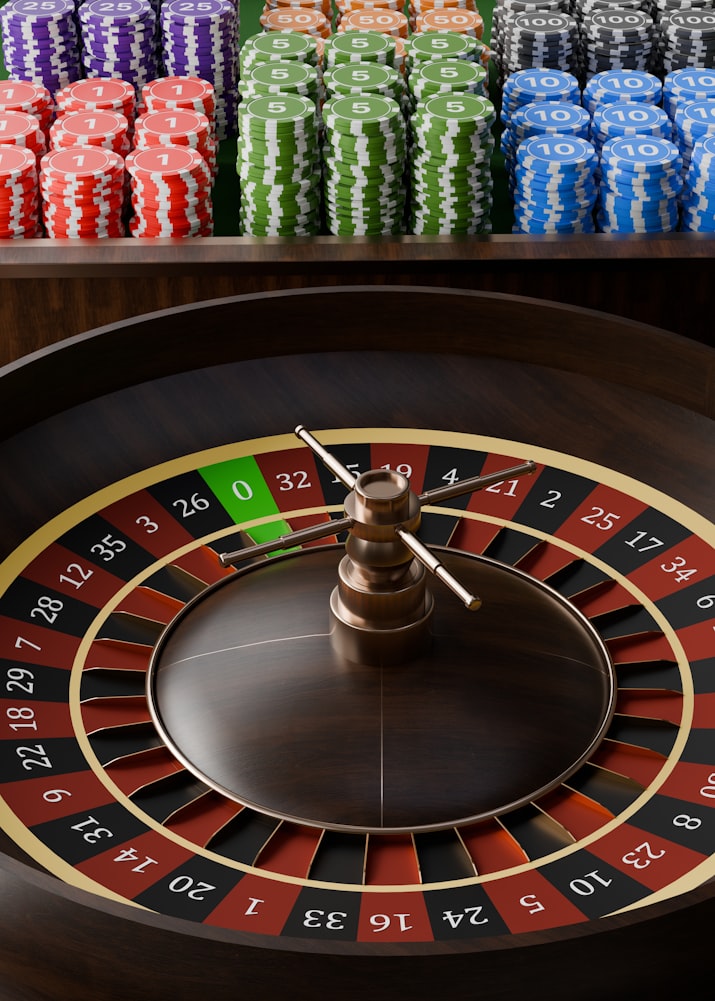
Morospin Casino: A Modern Gaming Experience
Morospin Casino stands out as an innovative platform that embraces modern gaming trends while also being aware of the psychological factors influencing gambling behavior. Launched in 2026, this online gaming hub offers an impressive selection of over 6,000 slots, live tables, and sports betting options, all accessible under one account. By providing a user-friendly experience, Morospin aims to engage players while ensuring they remain aware of responsible gambling practices.
The casino’s strong emphasis on player engagement, highlighted by generous welcome bonuses and promotional offers, showcases its understanding of the psychological triggers that influence gambling. With welcome bonuses of up to €1,500 and 250 free spins, players are incentivized to explore the vast array of games available. This strategy aligns with the psychological aspects of immediate gratification and reinforces the connection between players and the platform.
Moreover, Morospin Casino supports multiple currencies, including cryptocurrencies, making it accessible for a diverse range of players. The casino’s commitment to 24/7 customer support ensures that players have access to assistance whenever needed, further enhancing the overall gaming experience. In understanding and addressing the psychological triggers at play, Morospin Casino aims to create a balanced environment that prioritizes both excitement and responsibility in gambling.