 +91 81792 07525
Blog
Luck versus skill which plays a larger role in gambling success

Luck versus skill which plays a larger role in gambling success
The Role of Luck in Gambling
Luck is often considered the primary factor in gambling, especially in games of chance. When players sit down at a roulette table or pull the lever on a slot machine, the outcome largely hinges on random events. The thrill of anticipation is palpable as players hope for the right combination of numbers or symbols. This randomness can lead to substantial wins, fostering the belief that luck plays an undeniable role in gambling success. Many players also explore resources like https://slotlair-casino.co/ to optimize their strategies.
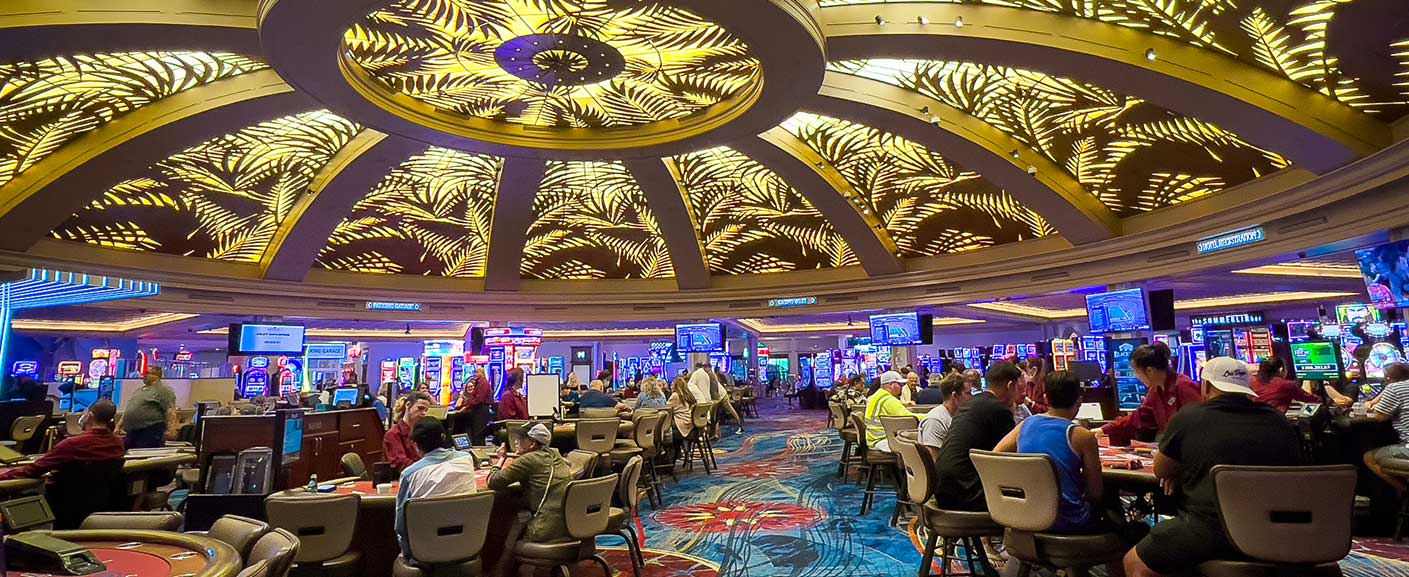
Moreover, luck introduces an element of excitement that is intrinsic to the gambling experience. Gamblers often recount their personal stories of incredible wins against improbable odds, reinforcing the idea that a lucky streak can change everything. Casinos capitalize on this by promoting games that are driven by chance, offering tempting jackpots to attract players. This strategic marketing is designed to evoke dreams of sudden fortune, further illustrating the significance of luck in the gambling landscape.
However, reliance solely on luck can lead to a precarious situation for gamblers. While lucky wins can be exhilarating, they are often fleeting and unpredictable. Many players end up chasing losses in the hopes of recapturing that lucky moment, which can lead to significant financial losses. This dynamic raises the question of whether luck can be a sustainable strategy in gambling, hinting at a more complex relationship between chance and skill in achieving consistent success.
The Importance of Skill in Gambling
While luck undeniably plays a role in gambling, skill is equally vital for long-term success, particularly in games that require strategy and decision-making. For instance, poker is a prime example of a game where skill can significantly outweigh luck. Players who understand the nuances of betting, bluffing, and reading opponents’ behaviors often enjoy greater success over time. Experienced players tend to make more informed decisions, increasing their odds of winning against less skilled competitors.
Similarly, in games like blackjack, the application of strategy can tilt the odds in favor of the player. Knowledge of card counting and understanding the basic strategy can help players make decisions that minimize the house edge. This illustrates that while luck may influence individual hands, skill and knowledge can have a more substantial impact on a player’s overall performance. Those who invest time in mastering the intricacies of these games often find themselves more equipped to navigate the unpredictable nature of gambling.
Beyond individual games, skill plays a crucial role in bankroll management, a fundamental aspect of successful gambling. Players who know how to manage their funds wisely can extend their gaming sessions and reduce the impact of luck on their results. Understanding when to bet high, when to walk away, and how to minimize losses are skills that can create a more sustainable gambling experience. This combination of strategic thinking and disciplined behavior demonstrates that skill can be a significant factor in achieving consistent gambling success.
The Balance Between Luck and Skill
The relationship between luck and skill in gambling is complex and often interdependent. Many games feature a blend of chance and strategy, creating a dynamic where both elements influence outcomes. For example, in sports betting, the randomness of game outcomes meets the analytical skills of bettors who study statistics and player performance. This blend allows skilled bettors to use their expertise to forecast potential outcomes while still acknowledging that luck plays a crucial role in any single match.
Additionally, players often find themselves at a crossroads where they must decide how to balance their reliance on luck and skill. Some may prefer to play purely chance-based games, reveling in the unpredictability of luck. Others may seek out skill-based games, looking to leverage their knowledge and experience to gain an advantage. This diverse landscape reveals that individual preferences and play styles can significantly influence how players perceive the balance between luck and skill.
Ultimately, recognizing that both luck and skill have their place in gambling can lead to a more informed and enjoyable gaming experience. Players who embrace this duality are often better equipped to handle the ups and downs inherent in gambling. By developing their skills while remaining open to the whims of chance, they can cultivate a more resilient approach to their gambling endeavors.
The Impact of Casino Design on Gambling Outcomes
The physical and psychological design of casinos also plays a pivotal role in the interplay between luck and skill. Casinos are crafted to create an atmosphere of excitement, drawing players into a world where they can lose themselves in the thrill of the gamble. Bright lights, engaging sounds, and strategic layouts guide players toward various games, often encouraging impulsive decisions fueled by the promise of luck. This design can amplify the element of luck, making it seem like fortune is just around the corner.
Moreover, the placement of games can also influence players’ perceptions of skill and luck. For instance, table games are often positioned near high-traffic areas to attract attention and create a sense of urgency. This can lead to less informed decisions, as players may be swayed by the excitement of the moment rather than employing skill-based strategies. Such environments can diminish the importance of skill, as the allure of instant gratification overshadows the potential for calculated play.
Ultimately, the interplay of luck and skill is affected by the casino environment itself. By understanding how design elements impact gambling behavior, players can make more conscious choices about where and how they choose to play. This awareness can help individuals navigate the complexities of luck and skill more effectively, leading to a more balanced approach to gambling.
Understanding Gambling as a Multifaceted Experience
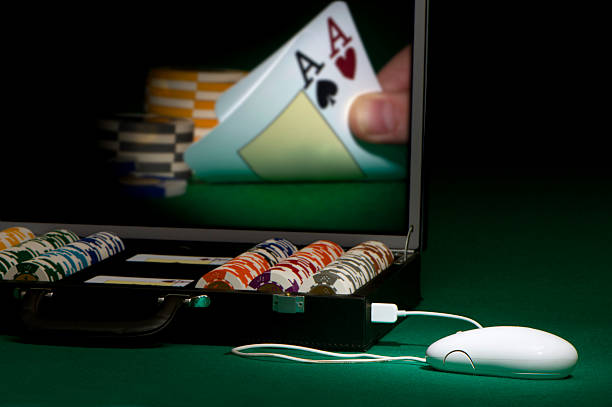
Gambling is a multifaceted experience that encompasses much more than just luck or skill. It is a blend of psychology, social interaction, and personal strategy that varies for each individual. Gamblers come from diverse backgrounds, each bringing their unique perspectives and approaches to the table. Some may see it purely as entertainment, while others may view it as a means to earn money. This diversity further complicates the luck versus skill debate, as individual motivations play a significant role in the overall experience.
The psychological aspect of gambling cannot be overlooked. Players often develop emotional attachments to their games, leading them to believe in luck or skill based on their past experiences. This can create cognitive biases that influence their future decisions. For instance, someone who recently won a significant jackpot may feel overly confident in their luck, ignoring the importance of skill and strategy. Conversely, a player who consistently loses may become overly cautious, underestimating their skill potential.
Understanding gambling as a complex interplay of luck, skill, and psychology can enhance players’ overall experience. By recognizing their motivations and the psychological factors at play, they can make more informed decisions and manage their expectations. This holistic approach to gambling can lead to a more rewarding and enjoyable experience, regardless of whether luck or skill ultimately prevails.